
Warmth That Starts Beneath Your Feet
Freedom HVAC LLC installs radiant floor heating systems for residential homes in Burlington, Wisconsin.
When you walk barefoot across a tile or hardwood floor in Burlington during winter, cold surfaces pull heat away from your feet faster than the air temperature alone would suggest. Radiant floor heating eliminates that discomfort by embedding tubing beneath your flooring that circulates warm water, raising the surface temperature and distributing heat evenly across the room without relying on forced air that stirs up dust or creates drafts.
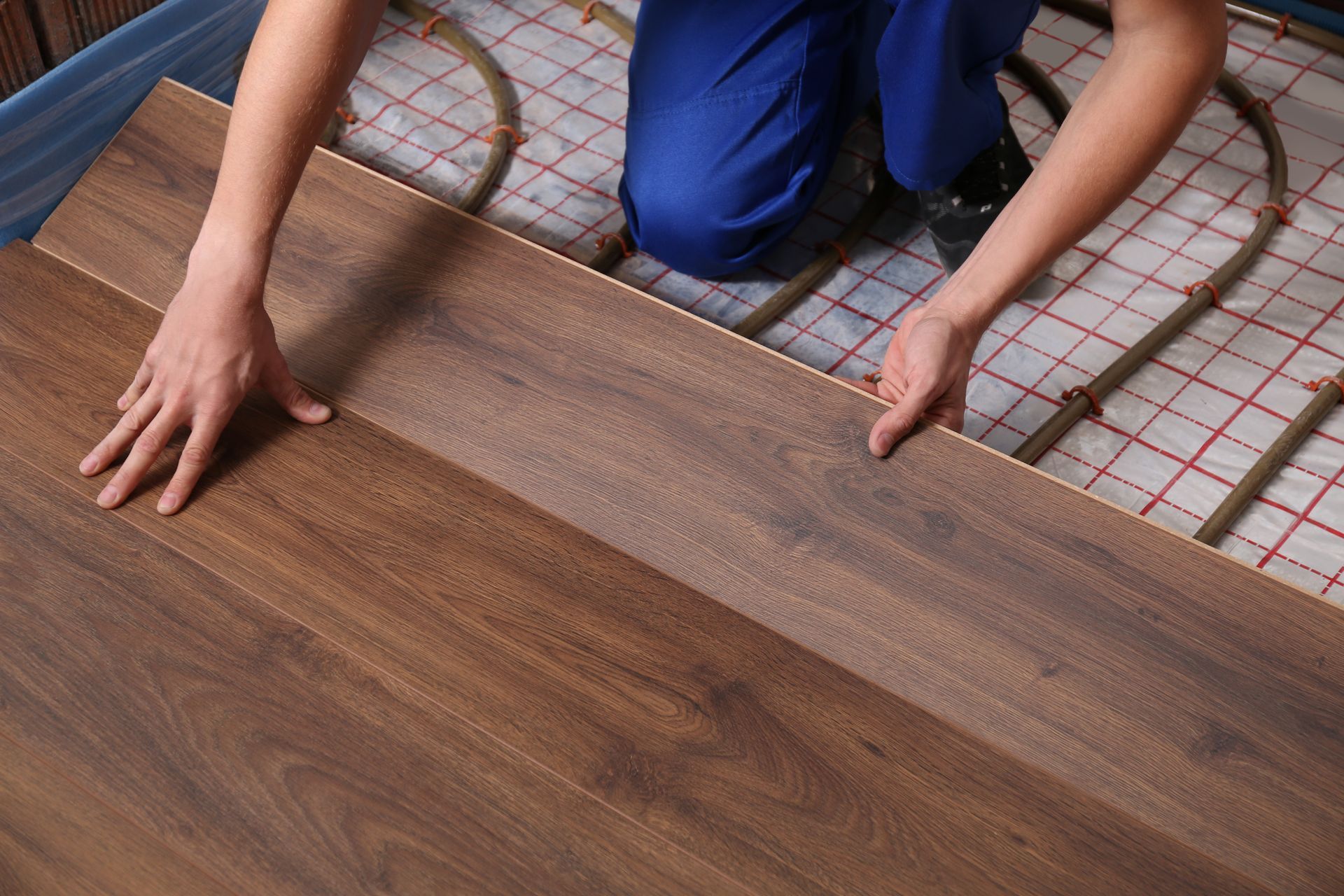
Freedom HVAC LLC installs hydronic radiant systems in new construction and select remodel projects where flooring is already being replaced. The process involves laying tubing in a grid pattern over the subfloor, securing it in place, connecting it to a boiler or water heater with a dedicated circulator pump, and pouring a thin layer of self-leveling concrete or installing flooring directly over the tubing depending on the system design. You end up with quiet, consistent warmth that requires no vents, registers, or baseboard units.
If you are building a new home in Burlington or planning a renovation that includes new flooring, contact Freedom HVAC LLC to discuss whether radiant heating fits your project timeline and budget.
Our Services
What Installation Involves and When It Works Best
Installation begins with mapping out tubing layout based on room dimensions, heat loss calculations, and flooring type. Freedom HVAC LLC secures PEX tubing to the subfloor using clips or tracks, tests the system for leaks by pressurizing the lines, and coordinates with your flooring contractor to ensure tubing is protected during concrete pour or flooring installation. The system is connected to a heat source such as a boiler or tankless water heater, and a dedicated thermostat controls water temperature and flow to maintain your preferred comfort level.
Once the system is active, you notice floors stay warm to the touch, rooms heat evenly without cold spots near windows or exterior walls, and the air feels more comfortable because radiant heat does not dry out indoor humidity the way forced air systems do. The system operates silently, and because heat rises naturally from the floor, you experience consistent warmth at lower thermostat settings compared to traditional heating
Radiant floor heating works best when installed during new construction or major remodels that already involve removing flooring. Retrofitting a radiant system into an existing finished space requires tearing up floors and is typically not cost-effective unless you are already replacing tile, hardwood, or other finished surfaces.
Questions that come up during project planning
Homeowners considering radiant floor heating in Burlington often want to understand system compatibility, installation timing, and how it compares to other heating methods before committing to the investment.
What types of flooring work with radiant heating?
Tile, stone, and polished concrete conduct heat efficiently and are ideal for radiant systems. Engineered hardwood and luxury vinyl also work well, while solid hardwood and thick carpet can reduce heat transfer and system efficiency.
How long does it take for radiant floors to heat up?
Radiant systems have slower response times than forced air, typically taking one to two hours to raise room temperature after startup. Once warmed, the thermal mass of the floor holds heat longer and cycles less frequently.
Can radiant heating replace my existing furnace?
Yes, radiant floor heating can serve as a primary heat source if the system is designed to meet your home's full heating load. Freedom HVAC LLC calculates heat loss and tubing layout to ensure adequate coverage for Burlington winters.
What kind of maintenance does the system require?
Hydronic radiant systems require minimal maintenance, typically limited to annual inspection of the circulator pump, pressure testing for leaks, and checking the boiler or water heater that supplies the system. Tubing is durable and does not degrade under normal use.
How does radiant heating affect energy costs?
Radiant systems use lower water temperatures than baseboard heating and deliver heat more evenly, which often allows you to set your thermostat a few degrees lower while maintaining the same comfort level. Actual savings depend on insulation, flooring type, and how the system is controlled.
If you are planning new construction or a remodel in Burlington that includes replacing flooring, Freedom HVAC LLC can evaluate your project and provide a detailed estimate for radiant floor heating installation tailored to your layout and heating needs.